Topics: Residential Electrical
Published November 23, 2026
Most people want a simple number before they call an electrician. The challenge is that electrical work rarely comes in one standard size. Replacing a fixture on an accessible ceiling, adding a circuit across a finished home, and building out power and data for a new office suite are very different jobs. Understanding what affects the cost of hiring an electrician in Las Vegas helps you compare quotes fairly, plan a realistic budget, and avoid surprises once the work begins.
This guide explains the main factors that shape electrical pricing for homes and businesses across the Las Vegas Valley, and how to get an estimate you can actually rely on.
Why the Cost of Hiring an Electrician in Las Vegas Varies
Two projects that sound the same on the phone can be priced very differently once someone looks at the site. A request to “add an outlet” might mean extending an existing circuit a few feet, or it might mean running a new dedicated circuit from a panel on the other side of the building. The scope, the condition of the existing system, and the access to the work area all change how much labor and material a job requires.
That is why a reliable price usually comes after an on-site look rather than before. A quote based on a short description can be accurate for simple work, but it often leaves out conditions nobody knew about until the walls, attic, or panel were examined.
Scope of Work and Project Type
The biggest factor is what is actually being done. Small service calls, such as replacing a device or troubleshooting a single circuit, are priced differently from planned projects like a panel upgrade, a lighting retrofit, or a tenant improvement. Larger projects involve design decisions, material lists, coordination with other trades, and sometimes several visits.
Homeowners typically call about items like new circuits, lighting, ceiling fans, panel upgrades, and EV charger installation. Our residential electrical services cover that full range. Businesses tend to need work tied to operations: office layouts, server rooms, parking lot lighting, data cabling, and build-outs. Commercial work often adds scheduling around business hours, landlord requirements, and general contractor coordination, which are all part of the scope.
Access, Distance and Existing Conditions
How easily an electrician can reach the work area affects time on the job. An open garage wall or unfinished space is faster to work in than finished drywall, a tight attic, a high ceiling, or an exterior wall that needs conduit. The distance between the electrical panel and the new equipment also matters, because longer wire runs mean more material and more labor to route and protect the conductors.
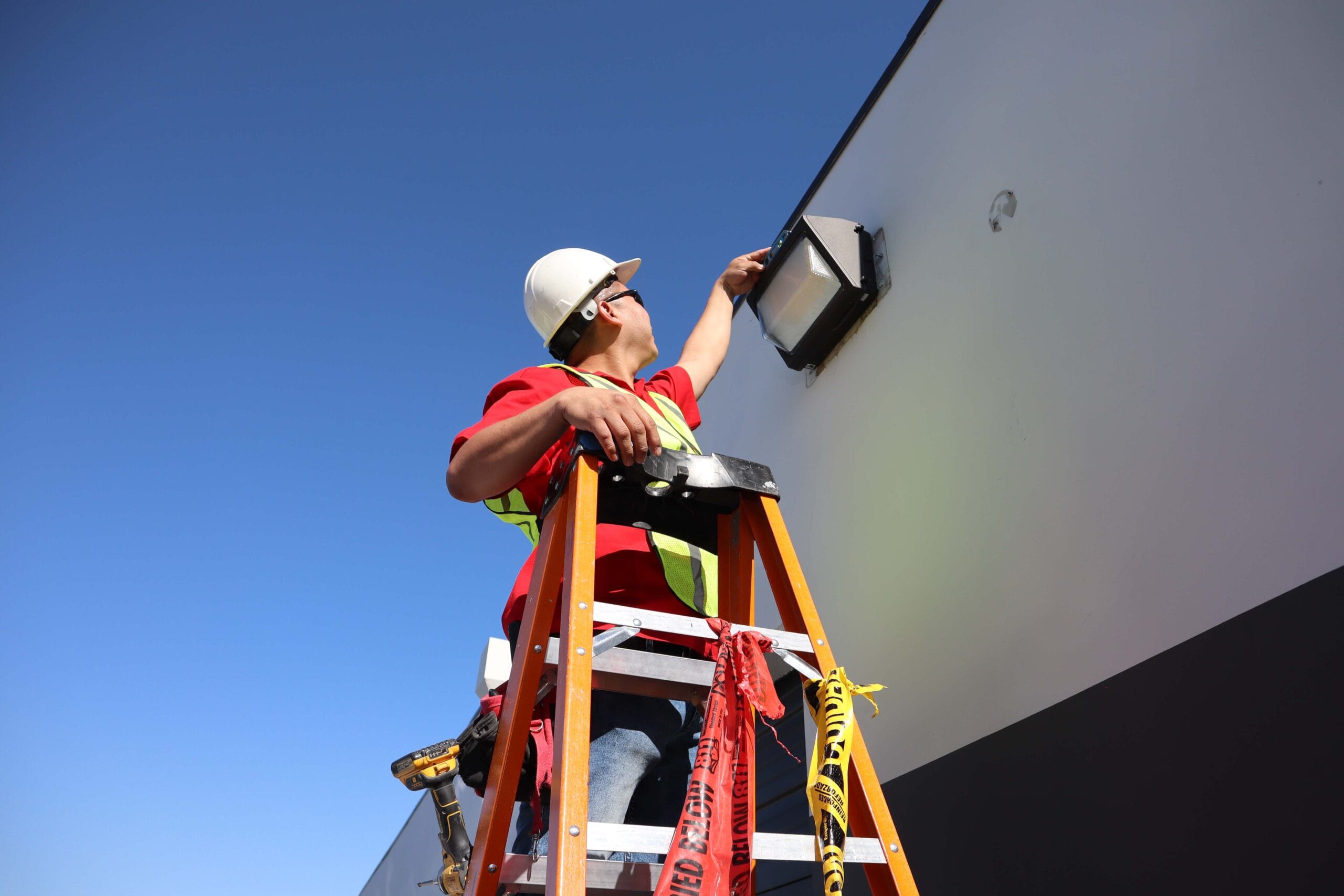
Existing conditions can change the picture as well. Older wiring, previous do-it-yourself modifications, damaged components, or work that does not meet current code may need to be corrected before new work can be safely connected. A good electrician will point these issues out and explain whether they must be addressed now or can be planned for later.
Panel Capacity and Service Upgrades
Many projects depend on whether the electrical panel can support the added load. EV chargers, new HVAC equipment, kitchen remodels, spas, and added office equipment can all push an existing panel to its limit. An open breaker space does not automatically mean there is enough capacity.
If a load evaluation shows the panel cannot safely handle the new demand, the project may need a subpanel or a panel upgrade. That adds to the scope, but it is far better to learn this during the estimate than after equipment has been purchased. In some cases, choosing a different charger setting or equipment size can avoid a larger upgrade, which is one reason to talk with an electrician before buying.
Materials, Equipment and Fixtures
Material choices have a direct effect on price. Wire size, conduit type, breakers, devices, light fixtures, cameras, and network equipment all vary in cost and quality. Commercial-grade equipment, outdoor-rated components, and specialty fixtures typically cost more than basic residential items, but they may be the right choice for durability and code compliance.
If you are supplying your own fixtures or equipment, mention it when you request the estimate. The electrician will need the specifications to confirm the item is suitable for the location and compatible with the circuit. For lighting projects, our lighting retrofit work starts by matching fixtures and controls to how the space is actually used.
Permits, Inspections and Code Requirements
Much electrical work in Southern Nevada requires a permit and inspection. Permit fees, the time needed to prepare for inspection, and any required corrections are part of the real cost of a project. A quote that leaves out permitting can look lower at first while carrying more risk.
Permitted work done to the National Electrical Code and local amendments protects your property, supports insurance and resale, and gives you a documented record that the work was reviewed. When comparing estimates, ask each contractor whether permits are included and who will schedule the inspection.
Residential vs. Commercial Projects
Commercial electrical work brings its own pricing factors. Larger buildings may use different voltages and equipment, require coordination with property managers, and involve plans that must be reviewed before work starts. Tenant improvements often need power, lighting, and low voltage cabling to be installed in a specific sequence so drywall and ceilings can close on schedule.
Businesses also need to think about downtime. Planning shutdowns carefully, phasing the work, and coordinating with IT or security vendors all affect the schedule. If you manage a commercial property, our commercial electrical services page outlines the types of projects we handle, from design-build work to parking lot lighting and server rooms.
How to Get an Accurate Free Estimate
The most useful estimate is one built on clear information. Before you call, it helps to gather:
- A short description of what you want done and why, such as a new circuit for a specific appliance or more lighting in a work area.
- Photos of the electrical panel label and the area where the work will happen.
- Model numbers or spec sheets for any equipment you plan to install, such as an EV charger or light fixtures.
- Any deadlines, such as an inspection date, a tenant move-in, or a planned remodel.
- Known issues, like breakers that trip, warm outlets, or flickering lights.
When reviewing quotes, compare the scope line by line rather than only the total. Check that each contractor is licensed, bonded and insured, and that the estimate states what is included, such as materials, permits, and patching or cleanup. If one quote is much lower than the others, ask what it leaves out.
A quick safety note: if you are dealing with a burning smell, a hot or damaged outlet, or a breaker that trips again right after resetting, stop using that circuit and unplug what you safely can. Those are not issues to wait on or troubleshoot yourself.
Working With Clark Electric LV
Clark Electric LV, LLC serves homes and businesses across the Las Vegas Valley, including Summerlin, Henderson, North Las Vegas, and Spring Valley. We are licensed, bonded and insured under Nevada contractor’s license #0090193 (Class C-2, limit $1,000,000), and we perform work to the NEC and Southern Nevada codes. Estimates are free, and our office is open Monday through Friday, 7 a.m. to 4 p.m.
The cost of an electrical project comes down to what the work involves, the condition of the existing system, and the materials it needs. A clear scope and an on-site assessment are the best way to get a price that holds up. When you are ready to talk through your project, contact us to schedule an estimate.
Need a licensed Las Vegas electrician?
Clark Electric LV, LLC handles residential, commercial and low-voltage work across the valley. Call us or send a few details about your project for a free estimate.
Call 702-871-1828Request a Free Estimate