Topics: Electrical Safety & Code
A failed electrical inspection can stop a project in its tracks. Drywall cannot go up, a tenant cannot open, a new panel cannot be energized, or a home sale gets delayed while everyone waits on a sign-off. The good news is that a correction notice is not the end of the road. It is a list of specific items the inspector needs to see fixed. Understanding how the correction process works makes it much easier to get back on schedule quickly and safely.
What It Means When an Electrical Inspection Fails
When a permitted electrical job is inspected, the inspector compares the work against the adopted electrical code (based on the National Electrical Code, or NEC) and any local amendments. If something does not meet those requirements, the inspection is marked as failed or “not approved,” and the inspector notes the items that must be corrected.
A failed inspection does not automatically mean the work is dangerous or poorly done. Sometimes it is a missing label, a cover plate that was not installed, or a detail the inspector could not verify. Other times it points to a real safety concern, such as missing ground-fault protection or an overloaded conductor. Either way, the work cannot move to the next stage until the corrections are made and the job passes reinspection.
Keep in mind that the Las Vegas Valley is served by more than one building department. The City of Las Vegas, Clark County, Henderson and North Las Vegas each handle their own permits and inspections, so the exact process for scheduling a reinspection, and whether a reinspection fee applies, depends on where the property is located.
Common Reasons Electrical Work Gets Flagged
Every job is different, but inspectors tend to flag the same categories of problems again and again. Some of the most common include:
- Missing GFCI or AFCI protection in areas where the code requires it, such as kitchens, bathrooms, garages, outdoor locations and many living spaces.
- Grounding and bonding issues, including missing bonding jumpers, loose grounding connections or an incomplete grounding electrode system.
- Wire sized incorrectly for the breaker, or a breaker that does not match what the panel is listed to accept.
- Overfilled boxes with more conductors and devices than the box is rated to hold.
- Unsupported or unprotected cable, such as cable that is not secured at the required intervals or runs through framing without protection where it could be damaged by a nail or screw.
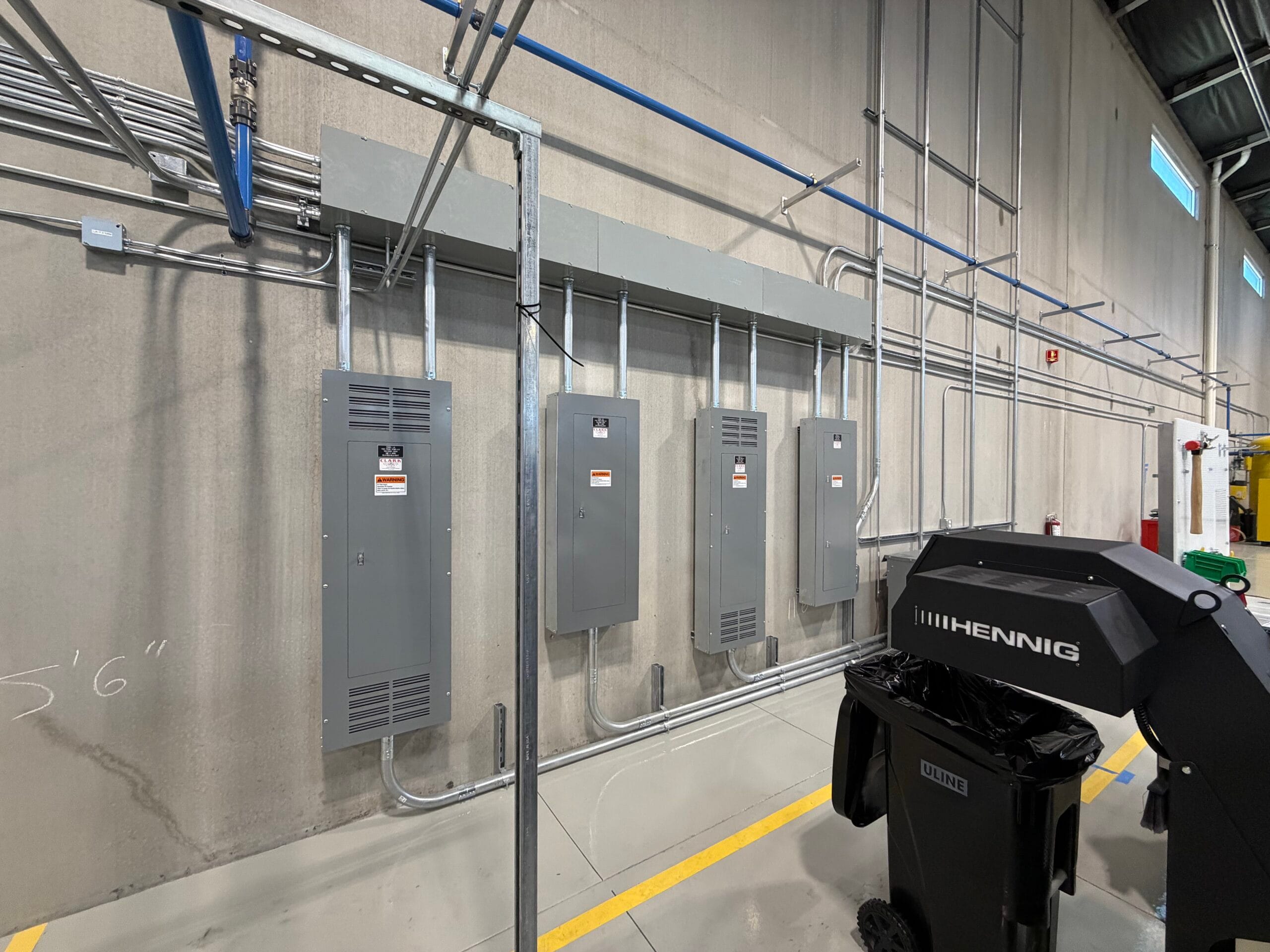
- Panel working clearance problems, where shelving, equipment or walls crowd the space in front of an electrical panel.
- Incomplete panel directories or unlabeled circuits, which make future troubleshooting and emergency shutoffs harder.
- Open knockouts, missing covers and exposed splices that leave energized parts accessible.
- Work that does not match the approved plans, which is common on commercial jobs and tenant improvements when the layout changes during construction.
Many of these issues show up on older properties where earlier, unpermitted work is uncovered during a remodel. In those cases the inspector may require corrections to existing wiring before approving the new work.
How Electrical Code Corrections in Las Vegas Get Done
Getting from a correction notice to an approved inspection usually follows a clear sequence:
- Review the correction notice. A licensed electrician reads each item, confirms the code section involved and, when something is unclear, follows up with the inspector or building department for clarification.
- Assess the site. The electrician checks each flagged location in person. A single note on the correction list can sometimes point to a larger pattern, such as the same grounding detail repeated throughout a building.
- Plan and price the fix. Some corrections take minutes; others require opening walls, replacing breakers or rerouting circuits. You should know the scope before work begins.
- Make the corrections. The work is completed to the NEC and local Southern Nevada requirements, not just patched enough to get past the inspector.
- Schedule reinspection. Once every item is addressed, the reinspection is requested through the correct building department, and the job moves forward once it passes.
On commercial projects, corrections often need to be coordinated with the general contractor, other trades and the property owner so the fix does not undo finished work or delay the opening date. Clark Electric LV plans for this kind of coordination on commercial electrical projects across the valley, from Summerlin and Henderson to North Las Vegas.
What Not to Do After a Failed Inspection
It can be tempting to try to fix a short correction list yourself, especially if an item looks simple. Electrical corrections should be handled by a licensed electrician, and the work generally needs to be performed under the permit holder. There are a few safe, sensible steps you can take:
- Keep the correction notice and any photos or plans together so the electrician has the full picture.
- Do not use circuits or equipment that were flagged as a safety concern until they are corrected.
- If a breaker trips, you can reset it once. If it trips again, leave it off and call an electrician.
- Avoid covering up flagged areas with drywall, insulation or finishes until the inspector has approved them.
Concealing work before approval usually means it has to be opened up again later, which costs more time than doing it in the right order.
Homes, Remodels and Tenant Improvements
Failed inspections are common on residential remodels, panel replacements, added circuits and EV charger installations. If you are planning a project at home, our residential electrical services are built around getting the work permitted, inspected and approved.
For businesses, inspections are often tied to a certificate of occupancy or a lease start date, so every day matters. Building corrections into the schedule early, or avoiding them through careful planning on a design-build project, is one of the best ways to protect an opening date.
Working With a Licensed Electrician on Corrections
Clark Electric LV, LLC is licensed, bonded and insured in Nevada (license #0090193, Class C-2, limit $1,000,000), and our work is done to the NEC and Southern Nevada codes. We can review your correction notice, explain what each item means and give you a free estimate for bringing the work into compliance. Our office is open Monday through Friday, 7 a.m. to 4 p.m.
A failed inspection is frustrating, but it is also a chance to make sure the electrical system in your home or business is safe and done right. If you have a correction notice in hand, contact our team to schedule a review and get your project moving again.
Need a licensed Las Vegas electrician?
Clark Electric LV, LLC handles residential, commercial and low-voltage work across the valley. Call us or send a few details about your project for a free estimate.
Call 702-871-1828Request a Free Estimate